

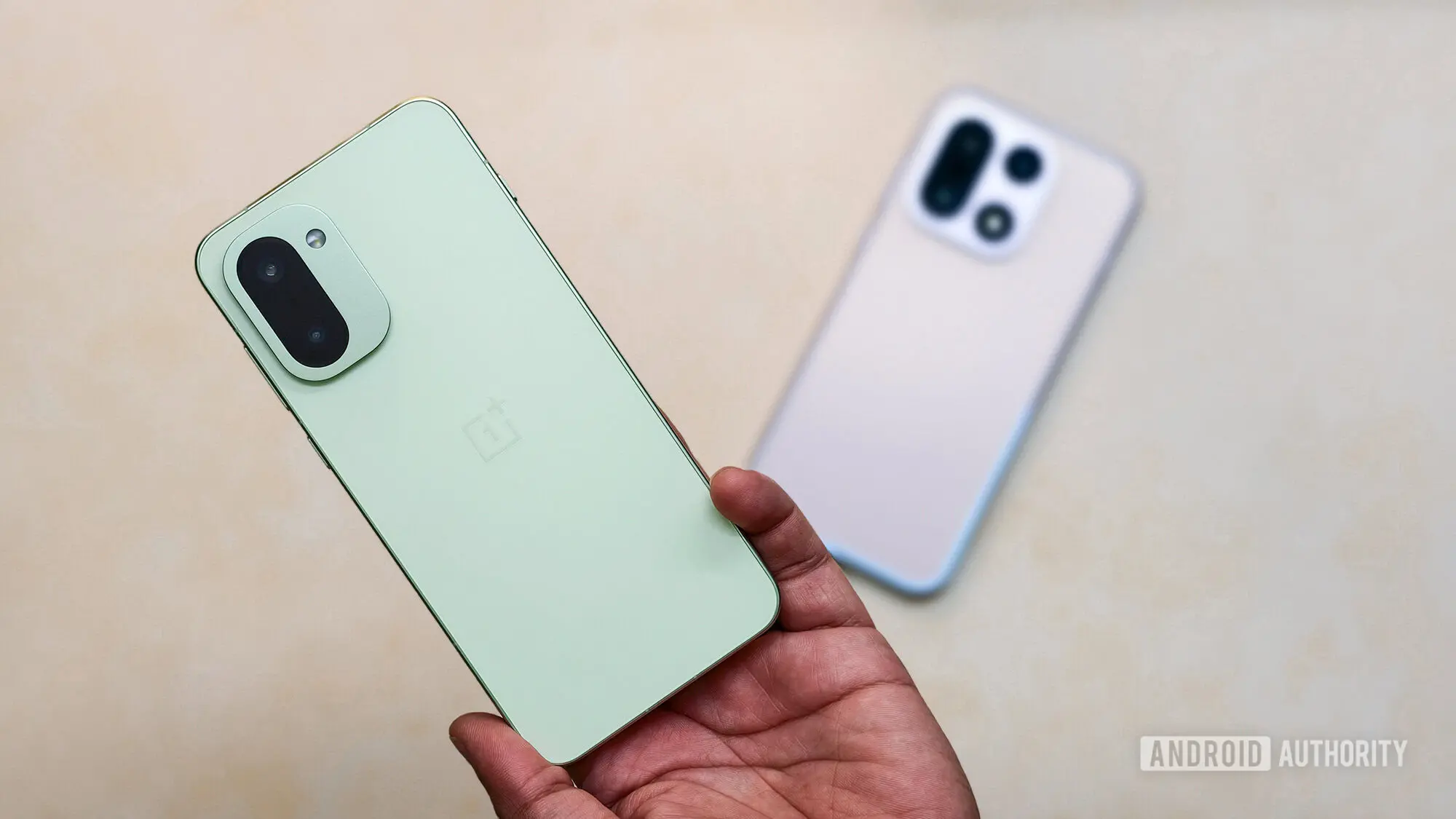
OnePlus has officially kicked off its transition from OxygenOS to ColorOS by opening the first global Closed Beta Testing program for the OnePlus 15 and OnePlus 15R. The announcement, made on the OnePlus Community forum, signals a clear step forward in the company's software unification plan, which was first revealed alongside its decision to withdraw from the US and European smartphone markets. While the news is exciting for OnePlus enthusiasts, the inaugural beta comes with a major caveat: it is reserved exclusively for Indian variants of the two phones. This means users in the US, Europe, and other global markets will have to wait for a broader rollout.
A Closer Look at the ColorOS Beta Program
The closed beta program is designed to give OnePlus users an early taste of ColorOS, the operating system that has long been the foundation of OPPO devices. For the OnePlus 15 and OnePlus 15R, this marks the first time the company has opened a global ColorOS beta, albeit with a regional restriction. The program will accept exactly 300 testers for each device, making it a relatively small and controlled trial.
Applicants must own the Indian variant of either phone, be registered members of the OnePlus Community, and sign a non-disclosure agreement. In addition, testers are required to join a dedicated Telegram group where they can communicate directly with the software team. The application window opened on August 6 and closes on August 7, giving interested users a very short window to apply. This urgency suggests that OnePlus is keen to gather feedback quickly and iterate on the software before any wider release.
What to Expect from the Beta Build
While OnePlus has not explicitly confirmed the base Android version, it is widely expected to be Android 17. The company has been testing this version of the operating system on the OnePlus 15 since March, according to earlier reports. This timeline aligns with OnePlus's pattern of aligning its software with the latest Android releases. For those selected, the beta will include a range of new features and improvements, though OnePlus is keeping the details under wraps.
OnePlus is making it clear that this is an early and potentially unstable build. Testers are prohibited from sharing screenshots, interface details, benchmark results, update packages, or virtually anything related to the software. This strict confidentiality is typical of closed beta programs, especially those that involve significant changes to the user interface. Additionally, ColorOS beta builds will automatically enable Experience Improvement Programs and overnight automatic updates. OnePlus advises participants to expect bugs, back up their data before installing, and be prepared for a less polished experience than the stable OxygenOS builds they may have grown accustomed to.
The Bigger Picture: OnePlus's Shift to ColorOS
This beta program is a direct result of OnePlus's strategic decision to merge its software with OPPO's ColorOS. In the past, OnePlus devices ran on OxygenOS, an operating system that many users appreciated for its near-stock Android experience, clean design, and fast updates. However, the company has been gradually moving toward a unified software platform across both brands to streamline development and reduce fragmentation.
The shift was made public when OnePlus announced its withdrawal from the US and European smartphone markets. While the company still plans to release devices like the OnePlus 16, its focus has shifted to markets where it can better compete. The transition to ColorOS is a key part of this strategy. By adopting a single operating system across all devices, OnePlus can allocate more resources to security patches and major updates, potentially improving the long-term support for its existing and future products.
For longtime OnePlus fans, this change may feel bittersweet. OxygenOS has long been praised for its speed and simplicity, which helped OnePlus build a loyal following. ColorOS, by contrast, is feature-rich and more heavily customized, often compared to other Chinese Android skins. Over the years, OnePlus has been quietly incorporating more ColorOS elements into OxygenOS, blurring the lines between the two. This new beta represents a full embrace of that direction, and it is expected to bring features like enhanced multitasking, privacy tools, and deeper integration with OPPO's ecosystem.
Eligibility and Regional Restrictions
The most immediate frustration for many users is the regional limitation. While previous OxygenOS beta programs routinely accepted participants from the US and Europe, this ColorOS beta is strictly for Indian variants. The announcement does not mention any plans to extend the program to other regions in the near future. This follows a similar pattern from last year, when the OxygenOS 16 beta was also limited to India. It appears that OnePlus is increasingly treating India as its primary testing ground for new software releases.
This regional exclusivity is not surprising given the market dynamics. India is currently one of OnePlus's largest and most important markets. The company has invested heavily in manufacturing, retail, and after-sales support in the country. By focusing its initial testing efforts there, OnePlus can gather valuable feedback from a large and diverse user base while ensuring that the software is tailored to the needs of its most significant customers.
For users in the US and Europe, however, this is a clear disappointment. Many have expressed concerns about the future of their devices, particularly after OnePlus's withdrawal from these markets. The company has promised that existing devices will continue to receive software support, but the pace and scope of updates remain uncertain. The current beta, with its region lock, reinforces the growing divergence between markets and leaves many users feeling left out of the early innovation cycle.
The History Behind OxygenOS and ColorOS
To understand the significance of this transition, it helps to look back at the history of OxygenOS and ColorOS. When OnePlus first launched its phones, the company distinguished itself with OxygenOS, a clean and fast Android skin that was well-received internationally. OPPO, which is the parent company of OnePlus, also had its own operating system called ColorOS, known for its extensive customization and visual polish.
In recent years, the two operating systems have grown closer. OnePlus began merging OxygenOS code with ColorOS starting in 2021, and many internal modules became shared. This allowed the company to deliver faster updates but also led to a gradual shift in the user experience. Themes, icons, pre-installed apps, and settings menus started to become more ColorOS-like across OxygenOS versions. For some users, this was a welcome evolution; for others, it was a departure from the lightweight interface they had chosen OnePlus for.
The current beta could mark the end of OxygenOS as a distinct entity for future devices. While OnePlus has not made any official announcement about retiring the OxygenOS name, the introduction of a full ColorOS beta is the strongest signal yet that the company is moving toward a singular software identity. This is not just a cosmetic change; it affects how updates are tested, deployed, and supported across different device models and regions.
Implications for OnePlus Users and the Future of the Brand
For OnePlus 15 and OnePlus 15R users, the transition to ColorOS brings a host of new possibilities and considerations. On the positive side, ColorOS is a mature and feature-packed operating system. It offers advanced multitasking, customizable app icons, a powerful notification system, and numerous AI-driven tools. It also benefits from close integration with OPPO's range of accessories and services, which could add convenience for users who own multiple devices from these brands.
However, there are also potential downsides. ColorOS has historically been heavier than OxygenOS, with more pre-installed apps, animations, and background processes. Some users worry about battery life and performance, although modern hardware like the OnePlus 15 series is more than capable of handling the additional load. There are also privacy considerations, as ColorOS may collect more data for its Experience Improvement Program, which will be automatically enabled on beta builds. OnePlus has stated that users can manage these settings, but the default behavior is worth noting.
For the broader market, the success of this ColorOS beta could determine how quickly OnePlus rolls out the software to other regions and devices. If the beta runs smoothly and feedback is positive, a stable version may arrive later this year. OnePlus has not provided a specific timeline, but the company previously indicated that a broader rollout could happen before the end of 2026. That would align with the expected release of the OnePlus 16 and its associated software updates.
What Comes After the Beta
The current beta is just the first step. Following the completion of the closed testing phase, OnePlus may open a public beta for Indian users, and eventually for users in other markets. The company has a tradition of iterating on beta feedback to refine the user experience before delivering a stable update. Given the short application window and small number of testers, the feedback gathered from these 600 participants will be crucial in shaping the final version of ColorOS for the OnePlus 15 series.
There is also the question of older devices. OnePlus has promised to support existing phones, including those beyond their initial software guarantee period. The transition to ColorOS might complicate that commitment, as the company will need to test the operating system on a wide range of hardware. Devices like the OnePlus 12, OnePlus 11, and even older models could eventually receive ColorOS updates, though the timeline is unclear. It is also possible that OnePlus will stick with OxygenOS for older devices to minimize disruption, while new devices and recent flagships make the switch to ColorOS.
User Reactions and Market Outlook
The announcement has generated a mix of excitement and disappointment across the OnePlus community. On the OnePlus forum, users have responded with a range of opinions. Some are eager to test the new software and appreciate the opportunity to be early adopters. Others, particularly those in the US and Europe, have expressed frustration with being excluded from the beta. The regional lock has become a recurring point of discussion, especially as OnePlus continues to wind down its presence in those markets.
Market analysts view this as a pragmatic move. The smartphone industry has seen increasing consolidation, with brands like OnePlus and OPPO aligning to compete more effectively against the likes of Samsung and Xiaomi. By unifying its software, OnePlus can reduce development costs, speed up the release cycle, and offer a more consistent experience across its portfolio. This could ultimately boost user satisfaction and brand loyalty, even if the transition period feels fragmentary to some.
For now, the focus is on the 300 testers per device in India. Their feedback will help OnePlus iron out bugs, optimize performance, and fine-tune features before launching the software more broadly. In the meantime, users elsewhere will have to watch from the sidelines and hope that OnePlus extends the program or delivers a stable update that reaches their hands without too much of a wait. The company's commitment to supporting existing devices after its departure from certain markets will be tested as this software transition unfolds.
As August 7, 2026 brings the application window to a close, the selected testers will soon begin their hands-on experience with ColorOS on the OnePlus 15 and 15R. The update is expected to be based on Android 17, and it will set the stage for the future of OnePlus software. Whether this marks the final goodbye to OxygenOS or simply another step in its evolution, one thing is certain: the way OnePlus phones look and feel is about to change in a big way. The coming weeks and months will reveal just how that change takes shape and what it means for users around the world.
Source:Android Authority News