

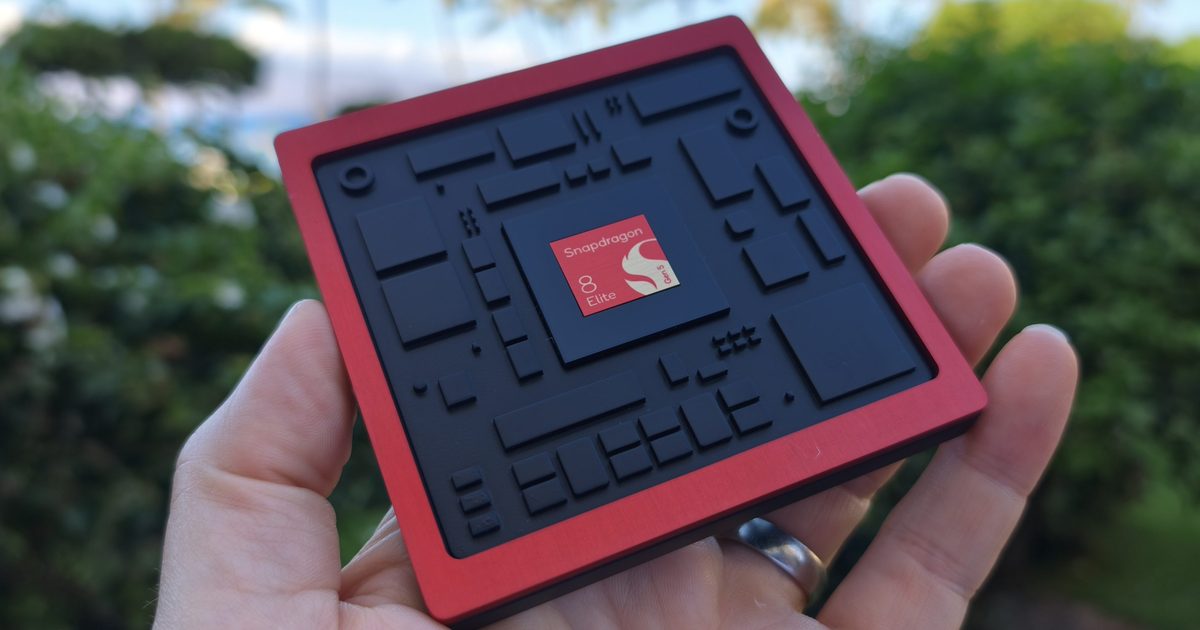
Qualcomm, the dominant supplier of Snapdragon processors for Android smartphones, Windows laptops, Meta smart glasses, Galaxy Watch, and wireless earbuds, has reportedly notified its major customers of an impending price increase. According to a recent Bloomberg report, the company sent letters to key partners stating that chip prices will rise by double digits starting September 1, 2026. This move is expected to ripple across the consumer electronics industry, potentially making the next generation of gadgets more expensive for consumers.
Why Qualcomm Is Raising Prices
Qualcomm is not acting out of greed; the company claims it has exhausted its ability to absorb escalating costs from its own suppliers. Attempts to find alternative component sources have failed. The primary driver is a massive surge in AI data center construction, which has consumed enormous volumes of memory chips and semiconductors—the same components that go into consumer devices. TSMC, which manufactures chips for Qualcomm, Apple, Nvidia, and nearly every other major tech company, has become a global bottleneck. Despite efforts to expand capacity, Wall Street analysts expect the crunch to persist well into 2027.
A Nikkei Asia report earlier this week indicated that the price increase could range between 5% and 10%, depending on the specific chip model and the volume of the customer's order. Larger customers may negotiate smaller hikes, but all will feel the pressure. Given that TSMC is Qualcomm's primary foundry, it is natural for Qualcomm to pass on the increased manufacturing costs while maintaining its profit margins.
Which Devices Will Be Affected?
Essentially any gadget that contains a Snapdragon chip will see a price increase. The list is broad and growing. Android flagship smartphones from Samsung, Xiaomi, and OnePlus are obvious casualties. Qualcomm's Snapdragon 8 series powers the most premium handsets, and a price hike there will directly impact the cost of phones launching in late 2026 and 2027. However, the impact extends far beyond phones. Snapdragon processors are increasingly used in Windows PCs, tablets, foldables, and Meta's Ray-Ban smart glasses and Quest headsets. The recently launched Galaxy Watch 9 also relies on Qualcomm's wearable platform, as do many premium earbuds.
This is not just a smartphone story; it is a consumer electronics story. Qualcomm's reach across the tech stack means the price increase will touch almost every category of connected device. Investors have already priced in a revenue bump for Qualcomm, with its stock ticking upward on the news. Consumers, as usual, face a different calculus: how much more will they pay for their next upgrade?
Timeline and Impact on 2027 Flagships
Because the price hike does not take effect until September 2026, devices that launch before that date may avoid the increase if their chip orders are placed early. However, companies typically plan product cycles far in advance. Flagships debuting in early 2027—such as the next Samsung Galaxy S series or the OnePlus 13—will likely be hit hardest, as they will be among the first to use chips purchased after the September deadline. Combined with a simultaneous surge in memory costs, the coming year could be the most expensive time in recent history to buy a new consumer electronic device.
Industry analysts note that OEMs have limited options. They could absorb some of the cost increase to remain competitive, but that would squeeze their own margins. Alternatively, they could shift to competing chipmakers such as MediaTek, which offers processors for mid-range and some flagship devices. However, MediaTek may also face similar pressures from TSMC, as the foundry serves all major fabless chip designers. Another possibility is that brands could delay product launches or reduce features to keep prices palatable, but that risks losing market share to rivals.
Background on Qualcomm's Pricing History
Qualcomm has periodically adjusted its chip pricing in response to market conditions, but a double-digit increase of this magnitude is rare. The last major price hike occurred during the global semiconductor shortage of 2020-2022, when supply chain disruptions forced many chipmakers to raise prices. However, that shortage was driven by pandemic-induced demand for electronics and automotive chips. The current situation is more specifically tied to AI, which is creating insatiable demand for advanced nodes that TSMC produces. Qualcomm's Snapdragon X Elite and X Plus chips for PCs also use those advanced nodes, making them subject to the same cost pressures.
The AI boom has led to massive investments in data centers by companies like Microsoft, Google, and Amazon, which in turn require enormous quantities of high-bandwidth memory and logic chips. This has strained TSMC's 3nm and 5nm capacity, with Nvidia and AMD prioritizing their GPU shipments. Consequently, Qualcomm and other consumer chip designers face longer lead times and higher foundry costs.
What It Means for Consumers
For consumers, the practical implication is that upgrading to a new device in late 2026 or 2027 will likely cost more than it does today. A flagship Android phone that currently retails for $1,000 could see a $50 to $100 increase, depending on how much of the cost OEMs decide to pass on. Wearables and laptops will see smaller absolute increases but still be noticeable. The smart glasses market, still in its early stages, could see price points rise just as the category tries to scale.
On the positive side, the delay of the price hike until September 2026 gives consumers a window to buy before the increase takes effect. Those planning a major upgrade might consider purchasing in the first half of 2026 to lock in current prices. Additionally, competition from MediaTek and others may limit how much prices actually rise, especially in the mid-range segment where margins are tighter.
The situation also underscores the growing influence of AI on the broader electronics market. What started as a data center trend is now directly affecting personal devices. As AI features become standard in smartphones, PCs, and wearables, the need for powerful, expensive chips will only increase, potentially leading to a permanent shift upward in device prices.
Qualcomm's move is a reminder that the cost of silicon is not static and that the ecosystem is interconnected. For now, the company is betting that its customers and their customers will pay more, and the market seems to agree. But the ultimate verdict will come from consumers—whether they are willing to absorb the higher prices or delay their upgrades further.
Source:Digital Trends News