

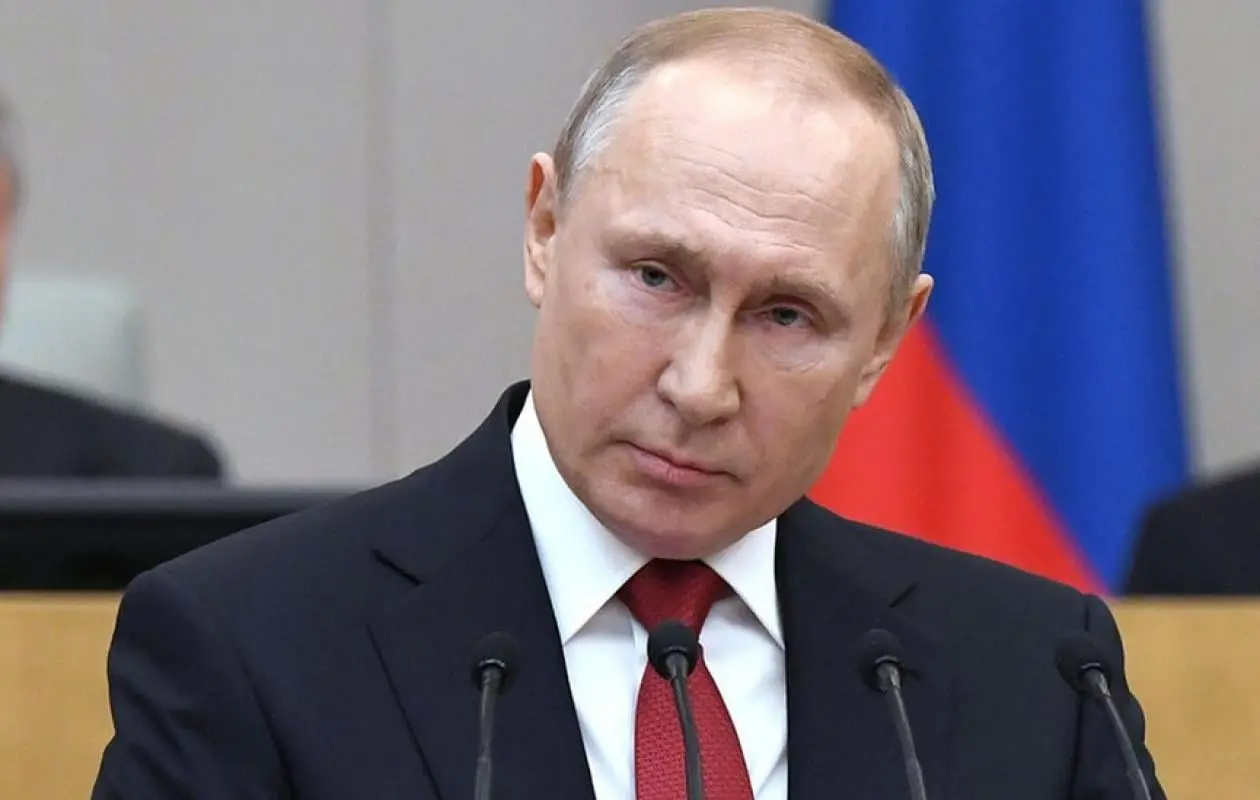
In a significant move to further tighten migration controls, Russian President Vladimir Putin has signed a new decree that imposes stricter conditions on foreigners and stateless persons seeking Russian citizenship. The decree, published on official government channels, mandates that all applicants must now submit an official document attesting to the absence of criminal convictions or specifying any offenses committed. This document must be issued by the competent authorities of the applicant's country of origin and must be less than three months old at the time the application is submitted. The measure applies to both foreign nationals and stateless persons, representing a substantial hurdle for many who previously could apply without such stringent proof of clean criminal history.
Broader Context of Russian Migration Policy
This tightening of citizenship requirements does not occur in isolation. It is part of a broader strengthening of Russian migration policy that has been underway for several years. In May 2026, the State Duma adopted in its first reading a bill aimed at denying Russian citizenship and residence permits to individuals with unexpunged criminal records, regardless of the seriousness of the offenses. The bill, if passed into law, would further restrict access to Russian citizenship for anyone with a criminal past, even for minor crimes that have not been formally cleared. This legislative push reflects the Kremlin's growing concern over migration flows, particularly from former Soviet republics, and its desire to ensure that only those deemed law-abiding and beneficial to Russian society are granted citizenship.
Russia has historically had a relatively open citizenship policy, especially for people from countries that were part of the Soviet Union. However, in recent years, the government has moved to tighten controls in response to security concerns, demographic pressures, and political considerations. The new decree is seen as a direct answer to perceived abuses of the citizenship system and a measure to enhance national security by preventing individuals with criminal backgrounds from easily acquiring Russian passports, which grant them full rights to live, work, vote, and travel freely across the country.
Historical Background of Russian Citizenship Laws
Russian citizenship laws have undergone several reforms since the collapse of the Soviet Union. The 1991 Law on Citizenship of the Russian Federation was the first to define who could claim Russian citizenship after the USSR dissolved. Subsequent amendments in 2002 and 2014 simplified the process for certain groups, such as native Russian speakers and compatriots living abroad. In 2020, constitutional amendments reinforced the principle that Russian citizenship is a special legal bond between the state and the individual, and that the president can revoke citizenship for acts against the state, such as terrorism or discrediting the military.
The current tightening follows a trend that began after the 2014 annexation of Crimea, when Russia sought to integrate Crimean residents quickly, but also became more wary of potential spies and troublemakers from Ukraine. In 2021, a series of decrees made it easier for Ukrainian citizens from specific regions to obtain Russian citizenship, but also introduced more stringent background checks. The latest decree appears to continue this dual approach: easing conditions for some Ukrainians while hardening them for others, particularly those from non-CIS countries or from regions deemed less friendly to Russia.
Exception for Ukrainian Nationals
The presidential decree does, however, include a notable exception for certain Ukrainian nationals. Ukrainian citizens and stateless persons who resided permanently in Ukraine before arriving in Russia will be exempt from providing a criminal record extract as part of their naturalization application. This exemption will remain in effect until January 1, 2028. The move is likely designed to facilitate the naturalization of Ukrainians who fled the ongoing conflict in eastern Ukraine or who moved to Russia for economic reasons. It also aligns with Russia's policy of actively encouraging Ukrainian migration, particularly from areas where Russian influence is strong, and where Moscow seeks to undermine Kyiv by offering a path to Russian citizenship.
Since 2014, Russia has simplified citizenship procedures for residents of Donetsk and Luhansk regions, and later for all Ukrainians. According to official figures, over 1.5 million Ukrainians have acquired Russian citizenship since 2019 through simplified procedures. The exemption from criminal record checks for Ukrainians is thus a continuation of this policy, but with a temporary window until 2028, possibly to allow Russia to monitor and adjust based on security assessments.
Reactions and Implications
The tightening of citizenship conditions has drawn mixed reactions. Supporters argue that it is necessary to protect Russia from foreign criminals and to preserve the integrity of its passport system. Critics, including human rights organizations, have expressed concern that the new requirement could be used arbitrarily, especially if the applicant's home country is unwilling or unable to provide the necessary documentation. Countries with weak judicial systems or those that are politically hostile to Russia may refuse to issue such certificates, effectively barring their citizens from obtaining Russian citizenship.
Additionally, the exemption for Ukrainians has been criticized as discriminatory. While it benefits Ukrainians fleeing war, it also creates a two-tier system where citizens of some countries face higher hurdles than others. This could be seen as part of Russia's broader geopolitical strategy to attract specific populations while excluding others, particularly from Western countries that have imposed sanctions on Russia.
The measure also places an additional burden on Russian migration authorities, who will have to verify the authenticity of criminal record documents from numerous countries. Forgeries are a known issue, and the requirement that documents be less than three months old is meant to ensure freshness and accuracy, but it also creates logistical challenges for applicants who may have to travel back to their home country to obtain the certificate.
Broader Legal and Social Impact
Beyond citizenship, the decree affects permanent residency (residence permits) as well, making it harder for foreigners to live in Russia long-term without a clean record. This could have implications for labor migration, especially from Central Asian countries like Uzbekistan, Tajikistan, and Kyrgyzstan, whose citizens often come to Russia for work. Many of these migrants have families in Russia and aspire to eventually obtain citizenship. The new requirement may force some to return home if they are unable to provide the necessary documents, potentially affecting the Russian labor market, which relies heavily on migrant workers in sectors like construction, retail, and services.
Russia's Federal Migration Service (now part of the Ministry of Internal Affairs) has been tasked with implementing the new rules. It remains to be seen how strictly they will be enforced and whether any transitional periods will be granted to applicants who have already started the naturalization process. The decree took immediate effect upon signing, meaning that all new applications from now on must include the criminal record certificate.
In the long term, analysts believe that Russia's citizenship policy will continue to evolve, balancing the need for population growth (Russia's birth rate is low and its population is declining) with security concerns. The country has a vast territory and a shrinking workforce, making immigration a necessary part of its economic strategy. However, the political leadership under Putin has become increasingly cautious about letting foreigners in, fearing that some may be used by foreign governments to destabilize the country. The new decree is likely to be followed by further restrictions, especially after the war in Ukraine highlights security vulnerabilities.
In summary, President Putin's latest decree represents a significant tightening of the path to Russian citizenship, requiring foreign applicants to document their criminal history from their home countries. While an exemption for Ukrainians until 2028 softens the blow for some, the overall trend is toward more scrutiny and selectivity. The policy reflects the Kremlin's dual aims: to welcome those it considers friendly and to keep out those it perceives as risks. As Russia's migration landscape continues to shift under geopolitical pressures, citizenship remains a powerful tool in the state's arsenal, used to reward allies and restrict potential adversaries.
Source:Seneweb News