

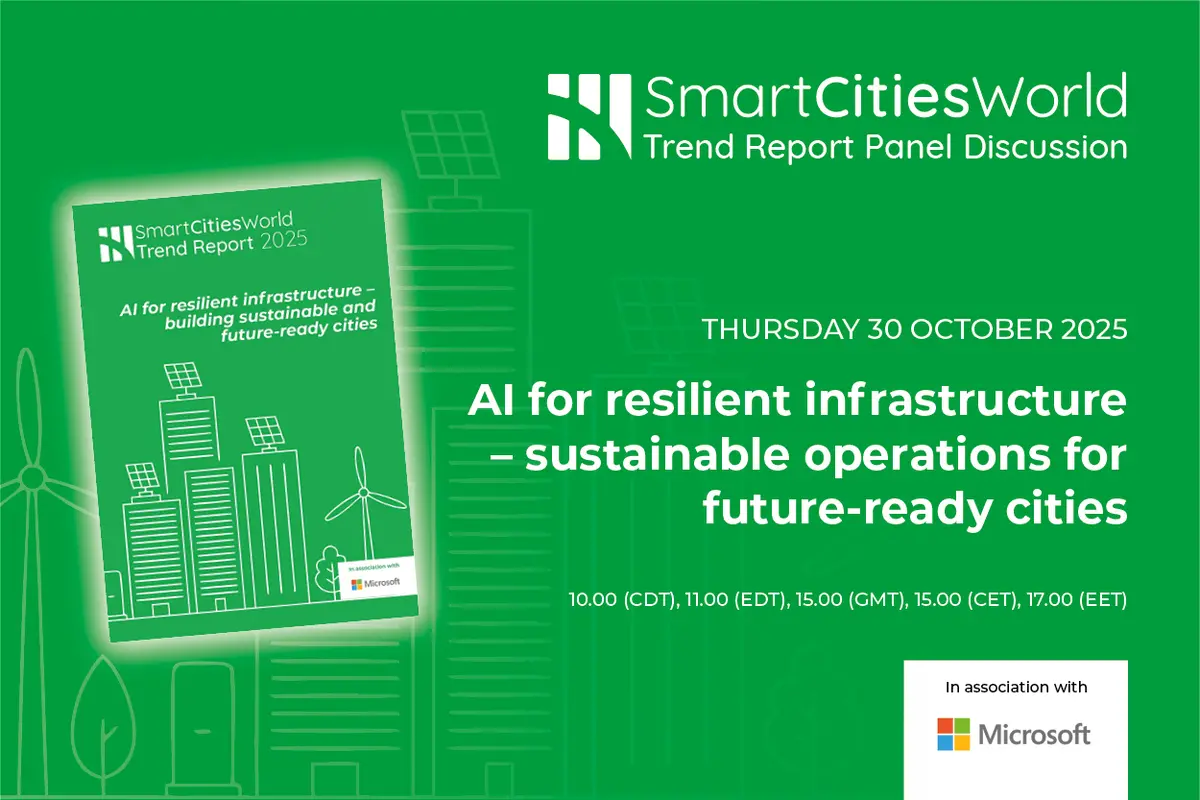
AI and Digital Twins: The New Frontier in Urban Resilience
As cities worldwide grapple with climate change, population growth, and aging infrastructure, the integration of artificial intelligence and digital twin technology is emerging as a critical solution. A recent OnDemand Trend Report panel discussion brought together thought leaders to examine how AI, building data, and connected urban systems can create more resilient, sustainable, and efficient cities. The conversation covered a wide range of topics, from strategic procurement as a resilience tool to the revival of streetcar networks and the rise of smart city profiles.
Digital Twins: Transforming How We Understand Cities
At the heart of the discussion was the concept of AI-powered digital twins. These virtual replicas of physical infrastructure allow city planners to simulate real-time conditions, test interventions, and optimize operations without disrupting everyday life. By combining data from sensors, IoT devices, and building management systems, digital twins offer a holistic view of urban performance. They enable predictive maintenance for roads, bridges, and utilities, reduce energy consumption through smart building controls, and improve traffic flow by modeling congestion patterns. The panel emphasized that digital twins are not just for megacities—smaller cities can leverage them to leapfrog into data-driven governance.
Strategic Procurement: An Underused Tool for Climate Resilience
Sam Markey, Founder of Recurve, made a compelling case that strategic procurement is one of the most underutilized tools in a city's arsenal for building long-term resilience. Instead of simply seeking the lowest bid, cities can specify contract requirements that favor local workforce development, low-carbon materials, and circular economy principles. Markey argued that every purchase order is an opportunity to advance climate goals. For example, procuring electric buses or solar panels for public buildings not only reduces emissions but also stimulates local clean energy jobs. This approach requires shifting from transactional buying to partnership-oriented procurement, but the payoff in community capacity and climate impact is substantial.
Return of the Streetcar: Kansas City's Growth Story
Tom Gerend, executive director of the Kansas City Streetcar Authority, provided a concrete example of how transit infrastructure reshapes urban landscapes. The return of rail to downtown Kansas City has reconnected neighborhoods, unlocked riverfront development, and accelerated the city's growth. The streetcar line spurred billions in private investment along its route, reduced car dependency, and created a vibrant corridor for businesses and residents. Gerend noted that the success lies in combining high-quality transit with thoughtful land-use policies, such as zoning for mixed-use development and prioritizing pedestrian access. This case study demonstrates that transportation projects can be catalysts for broader economic and social revitalization.
Sunderland: From Industrial Past to Smart City Future
Another highlight from the panel was Sunderland's repositioning as a leading smart city. The UK city is leveraging digital infrastructure and low-carbon innovation to build a resilient, future-focused economy. SmartCitiesWorld's City Profile detailed how Sunderland launched a city-wide sensor network to monitor air quality, traffic, and energy usage. It also established a digital twin to plan new developments and optimize public services. The city's commitment to open data and public-private partnerships has attracted tech firms and created jobs in cybersecurity and data science. Sunderland’s journey shows that post-industrial cities can reinvent themselves through strategic investment in digital and green technologies.
Dublin's Digital Twin and Traffic Reduction Initiatives
Dublin was featured for its innovative approach to improving community experiences and services. The city has deployed a digital twin project to model urban heat islands, flood risks, and pedestrian movement. This has helped planners reduce traffic congestion by redesigning intersections and promoting alternative transport modes. Dublin also launched initiatives to lower carbon emissions through electric vehicle charging infrastructure and smart parking systems. The panel highlighted that Dublin's success stems from collaborative governance, involving citizens, businesses, and academia in co-creating solutions.
Smart Lighting: More Than Just Illumination
The panel also devoted attention to smart lighting, a foundational component of connected cities. The final episode of the 'Cities Thriving on Lighting' series explored how global cities are approaching smart streetlights. Beyond energy savings, modern lighting networks serve as platforms for sensors, Wi-Fi hotspots, and cameras. They can detect gunshots, monitor air quality, and support emergency response. However, the expansion of connected lighting raises cybersecurity risks. Cities must ensure that lighting networks are secure, interoperable, and future-proof, as highlighted in the second episode of the series. This requires adopting open standards and conducting regular vulnerability assessments.
Transport AI: Data Foundations for Better Services
Katherine Flesh from Microsoft discussed the potential of artificial intelligence in transport. As agencies turn to AI to improve services—from predictive maintenance of trains to real-time traffic management—the greatest opportunities depend on strong data foundations, workforce readiness, and responsible governance. Flesh emphasized that AI models are only as good as the data they are trained on. Cities must invest in data quality, interoperability across agencies, and training for staff to interpret AI outputs. Ethical considerations, such as bias in algorithms and privacy protection, must be embedded in AI deployment from the start.
Ecomondo and the SmartCitiesWorld Summit: Platforms for Practical Solutions
The panel also referenced Ecomondo, the leading European expo for green technologies, which highlighted priorities for healthier, more sustainable cities. The SmartCitiesWorld Summit was described as a valuable platform for sharing practical solutions and building new connections across industries and geographies. Events like these foster collaboration between cities, technology providers, and academia, accelerating the adoption of innovations that can tackle urban challenges at scale.
OnDemand Webinars: Deeper Dives into Data and Urban Transport
Two OnDemand webinars were highlighted as essential resources for professionals. The first, 'Getting your data strategy right for smarter sites and safer operations,' focuses on how cities can collect, manage, and analyze data effectively to improve site safety and operational efficiency. The second, 'How sensors, AI, and digital twins can shape the future of urban transport,' provides a detailed look at the technologies driving the next wave of mobility solutions. These webinars offer actionable guidance for policymakers and practitioners looking to implement smart city initiatives.
Newsletters: Staying Informed on Urban Innovation
To keep pace with rapid developments, the SmartCitiesWorld Newsletters (Daily/Weekly) curate the latest news, city interviews, special reports, and guest opinions. The editorial newsletter delivers a roundup of top stories directly to subscribers’ inboxes, ensuring that city leaders and industry experts remain informed about emerging trends and best practices in urban resilience and sustainability.
The panel discussion made clear that AI, data, and digital twins are not futuristic concepts but practical tools already reshaping cities. From Kansas City's streetcar to Sunderland's sensor networks, cities are proving that technology, when paired with strategic policies and community engagement, can build infrastructure that is both resilient and sustainable. The road ahead involves scaling these solutions, fostering cross-sector partnerships, and maintaining a focus on equity and environmental stewardship.
Source:Smart Cities World News