

In June 1961, the jazz world witnessed a convergence of genius and tragedy that would forever alter the course of modern jazz. At the heart of this story is Bill Evans, a pianist whose lyrical, introspective style redefined the role of the piano in a jazz ensemble. With bassist Scott LaFaro and drummer Paul Motian, Evans had forged a trio that was less a conventional rhythm section and more a conversation among equals. Their residency at the Village Vanguard in New York City culminated in a single night of recording that yielded two celebrated albums: Sunday at the Village Vanguard and Waltz for Debby. What makes this achievement even more poignant is that ten days after that historic session, LaFaro died in a car accident at the age of 25. Evans, devastated by the loss, stopped playing for months, and the music world mourned a partnership that had only just begun to reveal its full potential.
The Evolution of Bill Evans
Bill Evans had already made a name for himself by the late 1950s. Born in Plainfield, New Jersey, in 1929, he studied classical piano before immersing himself in jazz. After serving in the U.S. Army, he moved to New York and quickly became a sought-after sideman. His work with Miles Davis on the seminal 1959 album Kind of Blue showcased his revolutionary approach to harmony and improvisation. Evans brought a Debussy-like impressionism to jazz, favoring chord voicings that were lush and ambiguous. But it was in the intimate setting of a trio that his vision truly flowered.
By 1961, Evans had assembled the trio that many consider the greatest in jazz history. Scott LaFaro, a virtuoso bassist, was not content to simply walk a bass line. He interacted with Evans and Motian in a free-flowing, polyphonic style that broke down the traditional hierarchy of soloist and accompaniment. Motian, with his subtle brushwork and cymbal accents, provided a shimmering foundation. Together, they achieved a rare telepathy, each musician responding to the others in real time.
The Village Vanguard Residency
The Village Vanguard, a small basement club on Seventh Avenue South, was the ideal venue for this kind of music. Its low ceiling and intimate atmosphere meant that every nuance was audible. The trio had been playing there regularly throughout the spring of 1961, honing their repertoire. The recording session on June 25, 1961, was a Sunday matinee and evening sets, capturing both the energy of a live audience and the quiet intensity of the players.
The resulting albums are masterpieces of live jazz. Tracks like "My Foolish Heart" and "Waltz for Debby" reveal Evans&x27; tender touch, while "Solar" and "Some Other Time" showcase the trio&x27;s rhythmic interplay. LaFaro&x27;s solo on "My Man&x27;s Gone Now" is a breathtaking display of melodic invention. These recordings are not just documents of a performance; they are a glimpse into a perfect musical moment that could not be sustained.
The Tragedy and Its Aftermath
On July 6, 1961, just eleven days after the Vanguard session, Scott LaFaro was driving back from a gig with his girlfriend when his car left the road and struck a tree near Geneva, New York. He was killed instantly. The news sent shockwaves through the jazz community. For Bill Evans, the loss was shattering. LaFaro was not just a sideman; he was a musical soulmate. Evans fell into a deep depression and stopped performing. He did not play again publicly for nearly a year, and when he did return, his style was marked by a new melancholy.
Some critics argue that Evans never fully recovered from LaFaro&x27;s death. While he went on to form other trios, including a memorable partnership with bassist Eddie Gomez, the magic of that 1961 trio remained unmatched. The recordings from the Village Vanguard became legendary, inspiring generations of musicians. The album Sunday at the Village Vanguard was inducted into the Grammy Hall of Fame, and Waltz for Debby is considered one of the greatest jazz albums ever made.
Legacy and Influence
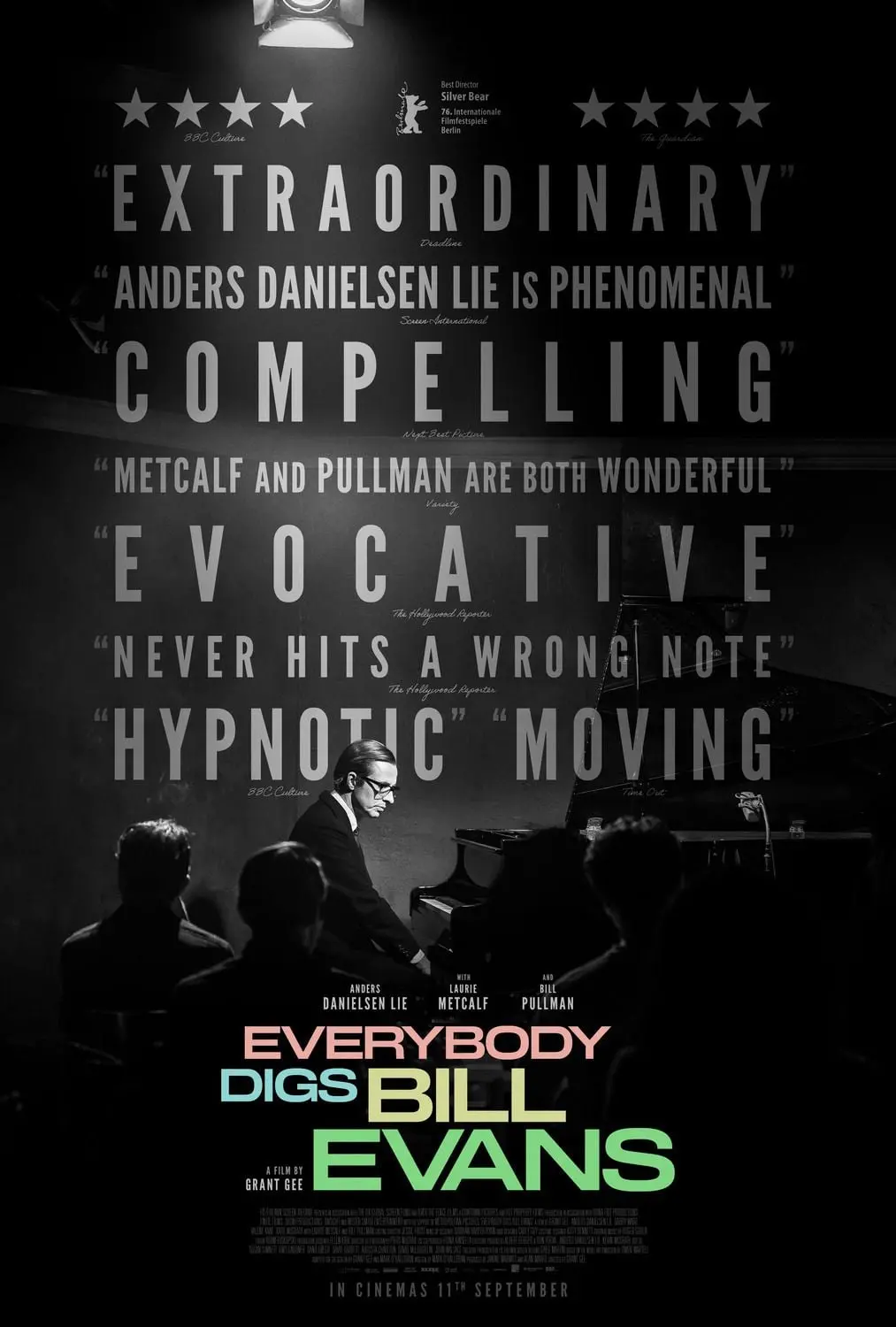
The story of Bill Evans and the Village Vanguard recordings is not just a tale of tragedy; it is a testament to the power of artistic collaboration. The trio&x27;s approach influenced countless pianists, bassists, and drummers. Evans&x27; harmonic language became a staple of jazz education, and LaFaro&x27;s bass technique set a new standard for virtuosity. The documentary Everybody Digs Bill Evans by Grant Gee explores this period in detail, using rare photographs and interviews to evoke the atmosphere of that summer.
The title of the documentary echoes the 1959 album Everybody Digs Bill Evans, which featured the phrase on its cover. It is a fitting tribute to a musician who, despite personal struggles, gave the world some of its most beautiful music. The Village Vanguard recordings remain a touchstone for anyone seeking to understand the art of the jazz trio. They remind us that the most profound art often arises from a combination of joy and sorrow, and that even a brief moment of perfect synergy can resonate for decades.
In the end, the story of June 1961 is a reminder of both the fragility and the brilliance of human creativity. Bill Evans, Scott LaFaro, and Paul Motian created something transcendent on that small stage. Though LaFaro was gone in days, their music lives on, inspiring new audiences and reminding us why we dig Bill Evans.
Source:AlloCiné News