

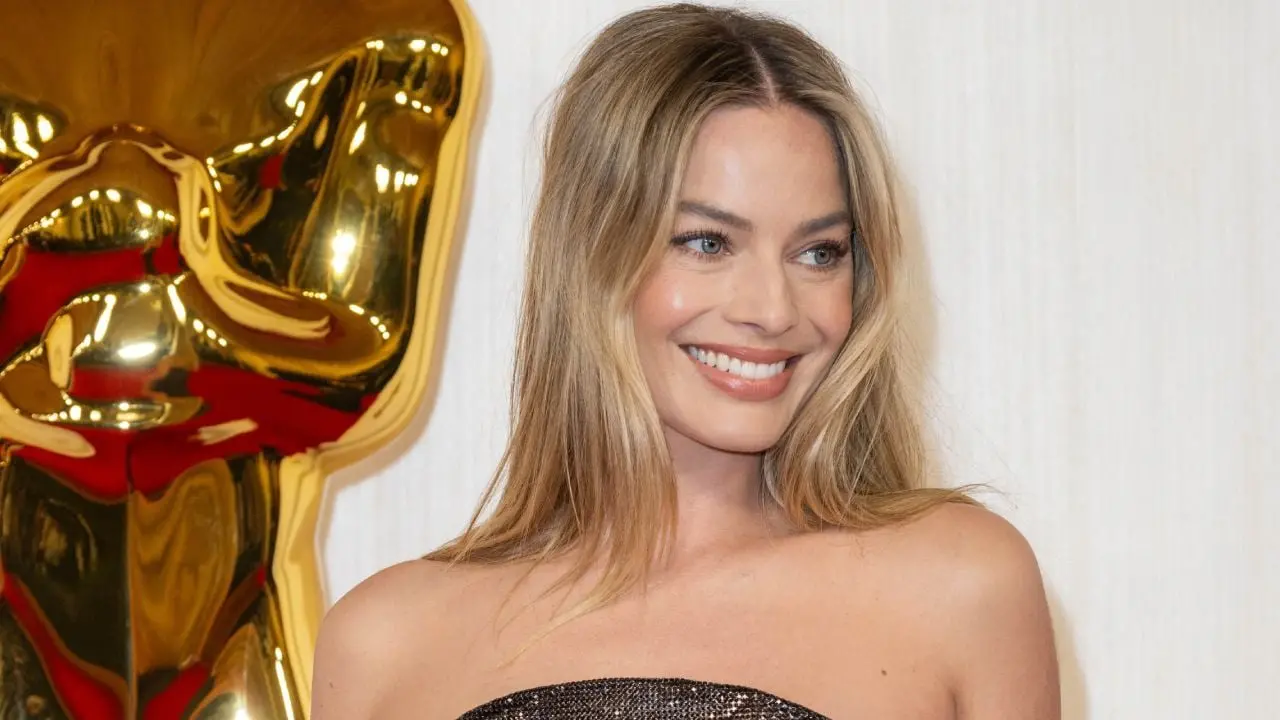
When thinking of the film The Big Short – Le Casse du siècle (2015), one scene immediately comes to mind: Margot Robbie in a bubble bath, holding a glass of champagne, explaining mortgage-backed securities, subprime loans, and tranches with striking clarity.
The Big Short aimed to explain the inner workings of Wall Street, the banks, and the corruption that followed to a general audience, featuring a dream cast: Steve Carell, Christian Bale, Ryan Gosling, and Brad Pitt. What better way to capture the public's attention—especially male audiences, two years before MeToo—than an actress who had just made a huge impact in Martin Scorsese's The Wolf of Wall Street? That actress was Margot Robbie. But the scene was originally written for a completely different actress and in a very different style.
Scarlett Johansson: The Original Choice
As the website Go Into The Story revealed, the original script named Scarlett Johansson for that role. In the first draft, Johansson would appear wearing a white T-shirt and cut-off jeans, letting a waterfall cascade over her while explaining the mechanics of collateralized debt obligations. The intention was to create a 'wet T-shirt' effect on screen, showcasing the physique of the Avengers star.
Obviously, that's not what audiences saw. The scene was entirely reworked: new actress, new context, and a fresh explanation. Director Adam McKay and his team realized that a playful, classy bathtub setting with champagne would be more memorable—and less overtly sexualized—than a wet T-shirt shot. The change was a stroke of genius.
Margot Robbie: "The Easiest Day of Work in My Life"
Margot Robbie filmed her scene quickly and under ideal conditions, as she recalled during a 2018 roundtable hosted by The Hollywood Reporter: "I'm in a bath drinking champagne. It was the easiest day of work I've ever had. Half a day of shooting in a Malibu mansion, with real 20-year-old Dom Perignon that Adam McKay kept pouring. I kept thinking, 'I'm going to wake up.'"
The sequence became iconic. The film repeated this creative approach with chef Anthony Bourdain explaining collateralized debt obligations while cooking, and actress Selena Gomez explaining synthetic CDOs during a blackjack game.
The Impact of The Big Short
The Big Short was a major success upon release, grossing $133 million worldwide on a production budget of only $28 million. The film won the Academy Award for Best Adapted Screenplay, a slight disappointment given its five nominations, but it remains a significant achievement for Paramount Pictures. This success also allowed director Adam McKay, previously best known for his comedies with Will Ferrell (Anchorman, Step Brothers), to prove he could be taken seriously in Hollywood.
The casting switch from Scarlett Johansson to Margot Robbie not only changed the look of the scene but also its tone. Robbie's lighthearted yet authoritative delivery made complex financial concepts accessible and engaging. The bathtub scene has been parodied and referenced countless times, cementing its place in pop culture.
Scarlett Johansson, who had recently played Black Widow in the Marvel Cinematic Universe, would have brought a different energy. But Robbie's star power, fresh off The Wolf of Wall Street, was exactly what the film needed. The scene also showcased Robbie's comedic timing and her ability to hold the audience's attention while delivering dense information.
Interestingly, the film used similar 'celebrity cameo' explanations throughout. In addition to Bourdain and Gomez, the movie featured economist Richard Thaler explaining the hot hand fallacy with Michael Lewis, the author of the book. Each cameo was designed to break the fourth wall and simplify complex topics without boring the viewer. This technique earned praise for its creativity and effectiveness.
Behind the scenes, McKay worked closely with financial experts to ensure accuracy. The script went through multiple drafts, and the bathtub scene was a late addition. Originally, the exposition was to be delivered by Ryan Gosling's character, but McKay felt it needed a jolt of energy. Robbie's involvement was a happy accident—she auditioned for a different role, but McKay saw her potential for this scene.
The success of The Big Short also opened doors for McKay to direct more serious dramas, such as Vice (2018) and Don't Look Up (2021). It also boosted Margot Robbie's career, leading to starring roles in Suicide Squad, I, Tonya, Bombshell, and eventually Barbie, where she also served as a producer. The bathtub scene remains one of her most recognizable performances.
In retrospect, the casting decision was perfect. Scarlett Johansson is a talented actress, but the scene needed a performer who could combine wit, glamour, and approachability. Robbie's Australian charm and Hollywood starlet image made her the ideal choice. The wet T-shirt concept might have been seen as exploitative, while the bubble bath with champagne felt playful and sophisticated.
Additionally, the scene's production design contributed to its appeal. The Malibu mansion, the soft lighting, the steam rising from the bath—all elements created a luxurious yet intimate atmosphere. Robbie's delivery, complete with hand gestures and direct looks at the camera, broke the fourth wall in a way that felt natural rather than gimmicky.
The financial crisis of 2007-2008 is a heavy subject, but The Big Short managed to make it entertaining without trivializing the real-world suffering it caused. By using celebrities to explain the jargon, the film reached a wider audience and educated millions about the collapse. The bathtub scene is the most famous example of this technique.
Margot Robbie's performance in that scene is often cited as one of the best 'explainer' scenes in cinema. It's a testament to her skill that she can make someone care about mortgage-backed securities. The scene has even been used in economics classes and financial literacy videos. It's a rare instance where pop culture and education intersect so effectively.
While Scarlett Johansson might have brought her own flair, it's hard to imagine anyone else in that bathtub. The serendipitous change turned a small moment into a cinematic landmark. Fans of The Big Short continue to remember it fondly, and it's a prime example of how last-minute decisions can significantly improve a film.
Source:AlloCiné News