

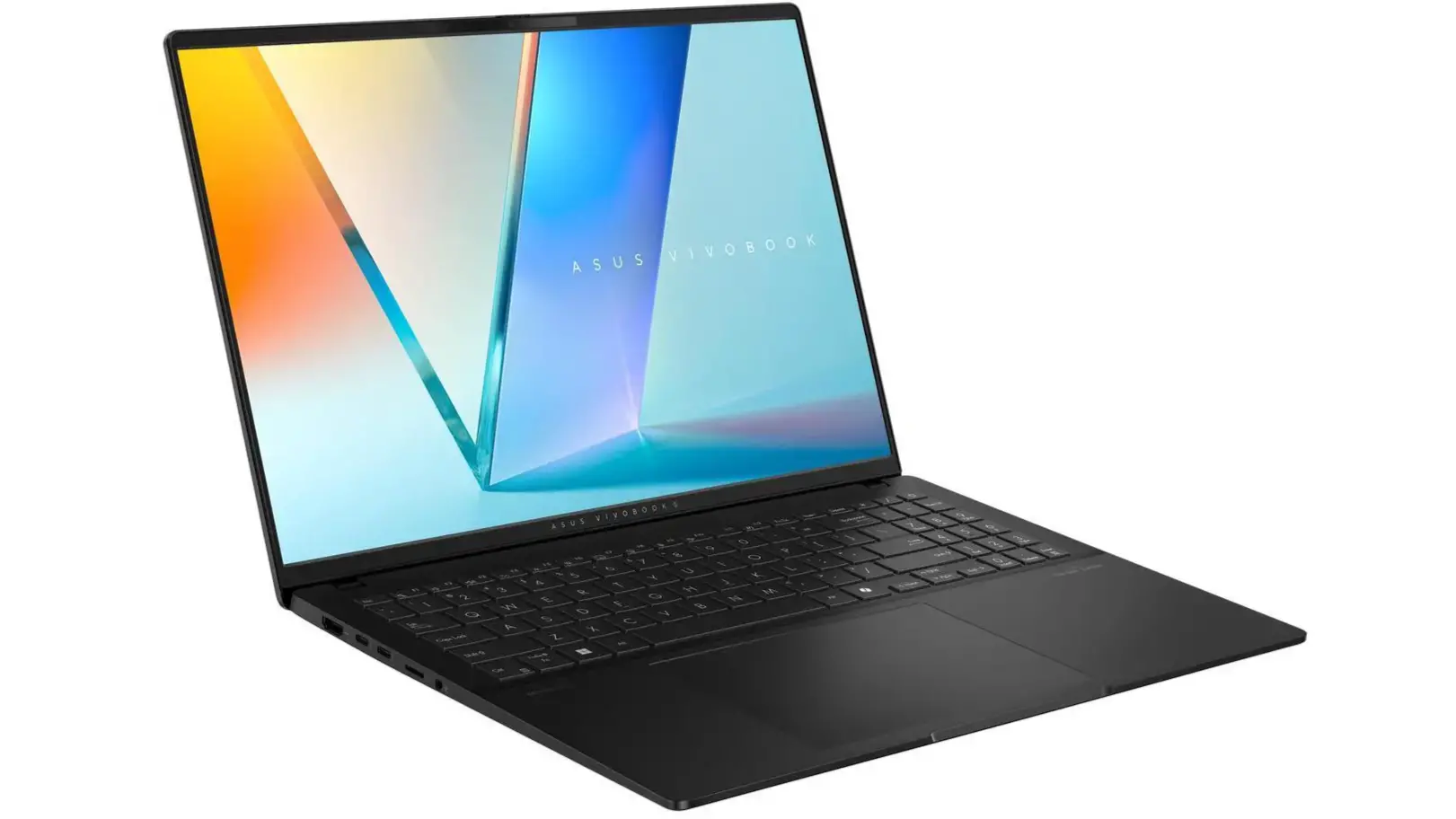
The laptop market is constantly evolving, with manufacturers competing to deliver the perfect balance of performance, portability, and price. ASUS has long been a key player in this space, and the Vivobook series has earned a reputation for offering premium features at accessible price points. Now, a new deal on the ASUS Vivobook 16 OLED is turning heads by bundling 32GB of RAM, a stunning 3K OLED display, and Intel’s latest Core Ultra processor—the chip that integrates Intel’s first dedicated AI engine—for a price that undercuts many similarly configured rivals.
The Heart of the Machine: Intel Core Ultra and AI Capabilities
Intel’s Core Ultra series marks a significant leap forward in laptop processing. Built on the Intel 4 process, these chips feature a hybrid architecture with Performance-cores, Efficient-cores, and a new Low Power E-core cluster for exceptional efficiency. But the headline feature is the integrated Intel AI Boost NPU (Neural Processing Unit). This dedicated AI accelerator handles tasks like real-time background blurring, voice enhancement, photo editing acceleration, and even AI-powered content creation tools without taxing the main CPU or GPU. For users who rely on applications like Adobe Photoshop, Lightroom, or video conferencing platforms, this means faster, more responsive performance. In the Vivobook 16 OLED, this chip pairs with 32GB of RAM—a generous amount that ensures smooth multitasking across dozens of browser tabs, heavy spreadsheets, and creative applications.
Visual Brilliance: The 3K OLED Display
The display is arguably the most compelling feature of this Vivobook. OLED technology is known for its perfect blacks, infinite contrast ratio, and vibrant colors. The 16-inch 3K (2880 x 1620) OLED panel takes it further with a 120Hz refresh rate, covering 100% of the DCI-P3 color gamut and achieving VESA DisplayHDR True Black 600 certification. This makes it an ideal canvas for photo editing, video color grading, and enjoying high-dynamic-range content. The 16:10 aspect ratio provides extra vertical space for documents and coding, while the anti-glare coating reduces reflections in bright environments. For professionals who need color accuracy, ASUS has calibrated the display to a Delta E < 2 standard, ensuring that what you see is faithful to the original image.
Design and Build Quality
The Vivobook 16 OLED continues ASUS’s tradition of sleek, lightweight designs. The laptop is crafted from aluminum and plastic, with a minimalist aesthetic that belies its powerful internals. It weighs around 1.8 kg (4 lbs) and is just 18.9 mm thin, making it portable enough for daily commutes or coffee shop work sessions. The 180-degree hinge allows the lid to lie flat, which is useful for sharing content with colleagues or students. The keyboard offers a comfortable 1.4mm key travel distance and a full-size numeric keypad—a boon for data entry. Connectivity is generous: two Thunderbolt 4 USB-C ports (with PD and DisplayPort), two USB-A 3.2 Gen 1 ports, an HDMI 2.1 port, a microSD card reader, and a 3.5mm audio jack. Wi-Fi 6E and Bluetooth 5.3 ensure fast wireless connectivity.
Performance and Real-World Use
With 32GB of LPDDR5 RAM and the Core Ultra processor, this Vivobook is built to handle demanding workloads. We can expect snappy performance in tasks like compiling code, running virtual machines, or editing 4K video in DaVinci Resolve. The integrated Intel Arc graphics (built into the Core Ultra) is capable of light gaming and accelerated media encoding. However, for heavy 3D rendering or AAA gaming, a dedicated GPU would be necessary. The 32GB RAM configuration is particularly future-proof, as many laptops still ship with 16GB as standard. This makes the Vivobook 16 OLED a strong candidate for those who plan to keep their laptop for 4–5 years without feeling memory constraints. The thermal system uses dual fans and heat pipes to keep the system cool under load, though the fans can become audible during sustained heavy tasks.
Battery Life and Charging
Battery life is a common concern with high-resolution OLED displays, but ASUS has equipped the Vivobook with a 75Wh battery. In mixed usage (web browsing, document editing, video streaming), you can expect 8–10 hours of real-world use. The 120Hz OLED panel can be switched to 60Hz to save power. The included 90W USB-C charger supports fast charging, reaching about 60% capacity in 45 minutes. This is adequate for most users, though competing laptops with larger batteries or more efficient displays may offer longer endurance.
Value Proposition: How This Deal Stands Out
What makes this specific deal noteworthy is the combination of high-end features at a price that often requires compromise. Many laptops with 32GB of RAM and a 3K OLED display start well above $1,200, but this Vivobook is available for significantly less—often under $1,000 during promotional periods. The inclusion of Intel’s latest AI-capable processor adds a future-proofing element that was previously missing from mid-range laptops. For students who need a powerful machine for coursework and creative projects, or for professionals who want a secondary device with a premium screen, this deal offers compelling value. It also undercuts the MacBook Air M2 in terms of RAM and display quality while offering similar portability.
Background: The Evolution of the Vivobook Line
The Vivobook series was introduced by ASUS in 2012 as a mainstream alternative to the premium ZenBook line. Over the years, it has evolved from basic budget notebooks to feature-rich machines that incorporate technologies like OLED screens, high-refresh-rate panels, and powerful processors. The 2024 update, featuring Intel Core Ultra processors, marks a strategic shift toward AI-enhanced computing. ASUS has also prioritized user experience through features like the number pad, comprehensive ports, and a durable hinge mechanism. The Vivobook 16 OLED specifically targets users who demand a large, color-accurate screen for creative work but don’t want to pay for a workstation-class laptop. This deal reinforces ASUS’s strategy: offer premium components at a price that disrupts the market.
Comparison with Competitors
Competing laptops in this segment include the Dell XPS 16, HP Envy 16, and Lenovo Yoga 9i. The Dell XPS offers a similar OLED option but with a higher base price and less RAM (16GB) at the entry level. The HP Envy 16 also has a 2.5K IPS display as standard, and an OLED upgrade is costly. Lenovo’s Yoga 9i features a 4K OLED display but maxes out at 16GB RAM. The Vivobook 16 OLED deal undercuts them all on price while providing double the memory and a display that balances resolution and battery life. Another competitor is the MacBook Air 15 with M2 or M3, which offers excellent battery life and performance but is limited to 24GB of unified memory maximum and lacks a touchscreen or 3K OLED option. Windows users who need Windows-specific software or prefer a touch interface will find the Vivobook more versatile.
Potential Downsides and Considerations
No laptop is perfect. The Vivobook 16 OLED’s build quality, while good, does not quite match the premium feel of an XPS or MacBook. The plastic chassis can flex slightly under pressure. The webcam is only 720p, which is disappointing for a laptop at this price point in 2024—many rivals now offer 1080p or even 4K cameras. The audio system, while featuring Harman Kardon tuning, lacks bass and can sound tinny at high volumes. Additionally, the lack of a dedicated GPU means it’s not suited for intensive gaming or 3D rendering. The fan noise under load is noticeable, though not excessive. For most productivity and creative tasks, these shortcomings are minor trade-offs for the core features: abundant RAM, a gorgeous screen, and an AI-ready processor.
Ideal Use Cases
The ASUS Vivobook 16 OLED with 32GB RAM is ideally suited for: creative professionals (photographers, graphic designers, video editors) who need color accuracy and multitasking power; students in fields like engineering, architecture, or data science who run memory-intensive software; software developers who require multiple environments and virtual machines; and business users who handle large datasets or complex spreadsheets. It also serves as an excellent media consumption device, thanks to the OLED display and good speakers. The AI capabilities can aid in tasks like real-time transcription, image upscaling, and intelligent file management, making the laptop feel more intuitive over time.
In summary, this deal on the ASUS Vivobook 16 OLED manages to deliver a rare combination: high-end specifications—32GB RAM, 3K OLED, Intel Core Ultra—at a price that feels too good to be true. For those who have been waiting for a laptop that can handle today’s demanding workloads while also being budget-friendly, this is an opportunity worth seizing. As the market moves toward AI-powered computing, having a device with a built-in NPU ensures that you’ll be ready for the next generation of software and tools. With its expansive screen, generous memory, and portable design, the Vivobook 16 OLED stands out as one of the most compelling mid-range laptops of the year.
Source:Windows Central News