

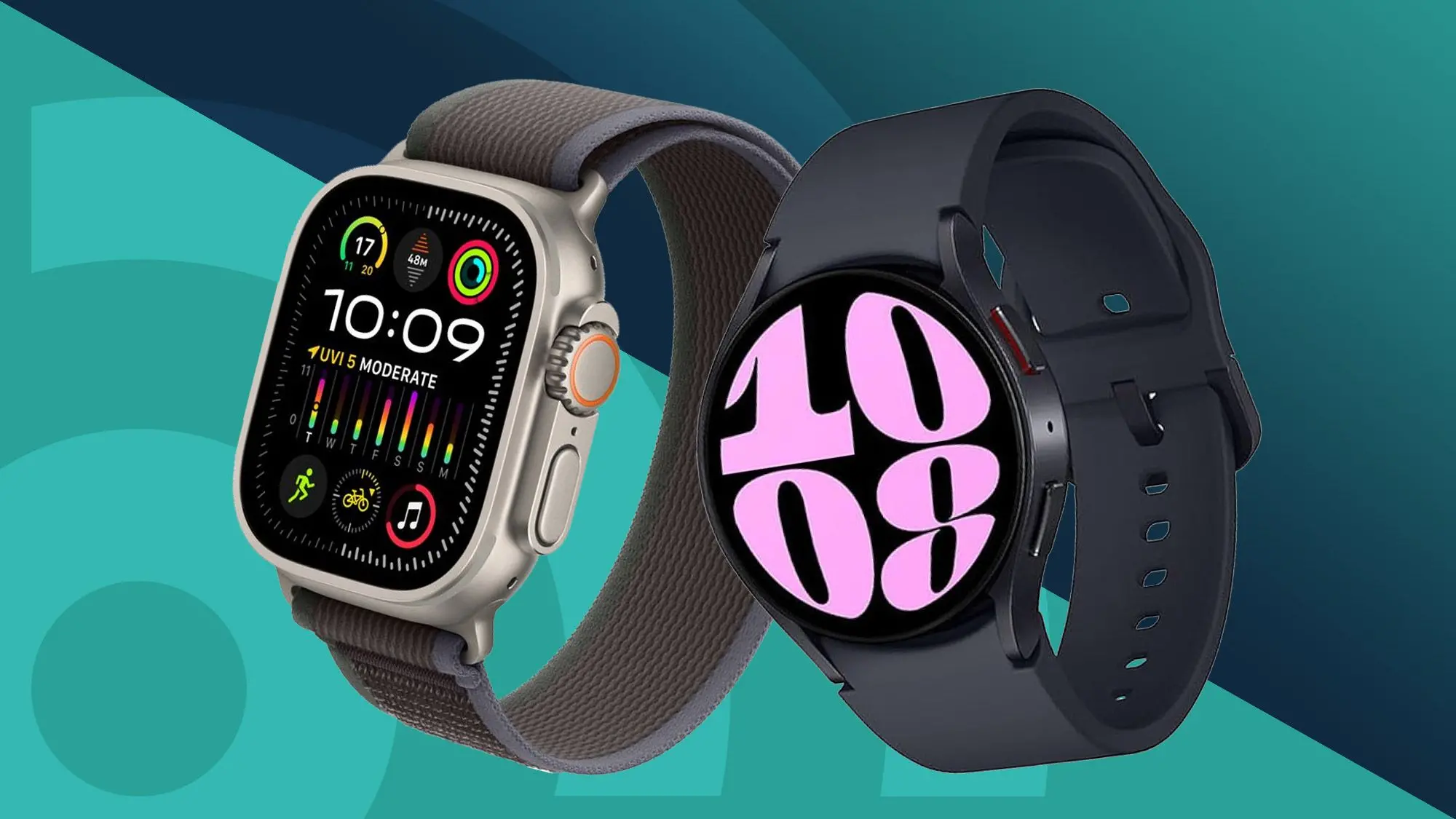
Smartwatches have finally settled into a mature, two-camp market. On one side sits Apple's watchOS, locked to the iPhone but unmatched in polish and app support. On the other sits Google's Wear OS, which now powers watches from Samsung, Google, OnePlus and a growing list of fashion and fitness brands, and works happily with Android phones. Off to the side, Garmin and Amazfit continue to thrive with their own operating systems, trading deep app stores for battery life measured in days or weeks rather than hours.
The result is that the single most important question in 2026 is not which watch has the best screen or the newest sensor. It is which phone you carry. Once that is settled, the shortlist narrows dramatically, and the remaining differences come down to battery endurance, health tracking depth, ruggedness and price.
What actually matters in a 2026 smartwatch
Before comparing models, it helps to know which specifications have genuinely improved and which are marketing noise.
- Battery life. Most mainstream smartwatches still need a charge every one to two days. Garmin and Amazfit models routinely stretch to one or two weeks, at the cost of a smaller app ecosystem.
- Health sensors. Optical heart rate, ECG, blood oxygen, skin temperature and sleep apnea detection are now common. Blood pressure monitoring remains region-dependent and typically requires periodic calibration with a cuff.
- GPS accuracy. Dual-frequency, multi-band GNSS has trickled down from premium outdoor watches to mid-range models, and it makes a real difference in dense cities and deep valleys.
- Display brightness. Peak brightness above 2,000 nits is now standard on flagship models, which matters more than resolution for outdoor readability.
- Durability ratings. Look for at least 5 ATM water resistance, and an IP68 or MIL-STD rating if you plan to wear the watch for contact sports or trail work.
- Cellular options. A cellular model lets you leave the phone behind for calls, messages and emergency services, but it adds to the purchase price and usually to the monthly bill.
The best smartwatch for iPhone: Apple Watch Series 11
For anyone carrying an iPhone, the mainstream Apple Watch remains the default answer, and for good reason. It offers the widest app selection of any wearable, the most consistent third-party developer support, and the tightest integration with iOS notifications, Apple Pay, Find My and Fitness Plus.
The current generation builds on that foundation with a brighter always-on Retina display, faster on-device processing for Siri requests and health algorithms, and a broader set of wellness features. Sleep scoring, hypertension notifications where regulators have approved them, and expanded workout metrics have closed much of the gap with dedicated fitness watches for everyday users.
Battery life remains the familiar weak point. Expect roughly a day to a day and a half of typical use, less if you use cellular connectivity, GPS workouts or always-on display continuously. Fast charging helps, but the watch still needs a nightly or every-other-night routine.
For athletes on iPhone: Apple Watch Ultra 3
The Ultra line exists for people who find the standard model too small, too short-lived or too delicate. Its titanium case, larger 49 mm footprint, brightest-in-class display and significantly longer battery life make it the choice for trail runners, divers and hikers.
The Ultra also brings features the standard model does not: a wider operating depth rating for recreational diving, an audible siren, dual-frequency GPS for better accuracy in challenging terrain, and satellite-based emergency messaging in supported regions. It is heavier and considerably more expensive, so it only makes sense if you will actually use the extra capability.
The best smartwatch for Android: Samsung Galaxy Watch 8 family
Samsung continues to make the most complete Wear OS watches for Android users, and its current lineup covers three distinct tastes. The standard Galaxy Watch 8 is the everyday pick, the Classic variant restores the rotating bezel that many users still miss, and the Ultra model targets the same rugged, big-battery audience as Apple's Ultra.
All three run Wear OS with Samsung's One UI Watch layer on top, which means access to Google Maps, Wallet, Assistant and a healthy library of third-party apps. The BioActive sensor array handles heart rhythm, blood oxygen, sleep staging and body composition measurements, while the software rolls those readings into a single daily readiness or energy score that many users find more actionable than raw numbers.
Battery life is better than Apple's mainstream models but still short of Garmin territory, typically landing between one and three days depending on size, display settings and cellular use.
The best pure Wear OS experience: Google Pixel Watch 4
If you want Wear OS without Samsung's software layer, the Pixel Watch is the reference device. It receives platform updates first, integrates deeply with Fitbit's health platform, and offers a rounded, comfortable design that suits smaller wrists better than most competitors.
Recent generations have improved display brightness, charging speed and repairability, and added more capable emergency features. The trade-off is battery life, which remains among the shortest in the Android segment, and a design that offers limited protection for rough environments.
The best battery life and outdoor tracking: Garmin
Garmin occupies a different category. Its watches run a proprietary operating system with a smaller app store, but they compensate with training tools that dedicated athletes genuinely rely on: training readiness, recovery timers, VO2 max estimates, race predictions, onboard maps, structured workouts and multi-band GPS.
Depending on the model, battery life ranges from about a week on the more smartwatch-like Venu series to several weeks on solar-equipped Fenix and Instinct models, with an always-on display and continuous health tracking still running. For ultrarunners, hikers, triathletes and anyone who resents charging a watch every night, this is the decisive advantage.
Strong budget and mid-range alternatives
The sub-$250 segment has become genuinely competitive. Amazfit's recent models pair bright AMOLED displays, dual-band GPS and two-week battery life with a lightweight app experience and no cellular option. OnePlus has pushed Wear OS into a similar price bracket with multi-day battery life and a rotating crown, while Fitbit's trackers remain a sensible choice for buyers who care more about step counts, sleep and stress management than apps or payments.
Buyers on a tight budget should accept two compromises: fewer third-party apps, and health metrics that are useful for trend spotting rather than clinical decision-making.
Health features worth paying for
The genuinely valuable health capabilities in 2026 are the ones backed by regulatory clearance and long-term validation. ECG for atrial fibrillation detection, sleep apnea notification, irregular rhythm alerts and high or low heart rate warnings all fall into that group. Fall detection and crash detection, available on several flagship watches, have documented real-world saves.
Features that remain more experimental include stress scoring based on heart rate variability, blood pressure estimation without cuff calibration, and various readiness scores. They can be motivating, but they should not replace medical advice, and their accuracy varies meaningfully between brands.
Battery life expectations by category
Mainstream flagship smartwatches from Apple, Samsung and Google generally deliver one to three days of use. Rugged flagship variants extend that to roughly two to four days. Wear OS watches from OnePlus and similar challengers may reach four or five days with conservative settings. Garmin and Amazfit sit in an entirely different bracket, running from about a week to well over two weeks depending on model, display type and GPS usage.
The practical rule is simple: if you want a smartwatch that behaves like a wrist computer with payments, apps and a voice assistant, plan to charge often. If you want a fitness device that occasionally shows notifications, you can go a long time between charges.
Compatibility and cellular choices
Apple Watch requires an iPhone and will not pair with Android. Wear OS watches work with both Android and iPhone, but the experience on iOS is reduced, with limited app access and no Google Wallet tap-to-pay in most regions. Garmin and Amazfit devices pair with either platform, though some convenience features remain platform-specific.
Cellular models are worth the premium mainly for runners, cyclists and parents who want to leave a phone behind without losing the ability to make calls or reach emergency services. Otherwise, the GPS-only version usually represents better value.
For the majority of buyers, the strongest recommendation still follows the phone: an Apple Watch for iPhone owners, a Galaxy Watch or Pixel Watch for Android owners, and a Garmin or Amazfit for anyone whose priority is endurance, training depth and going days without a charger.
Source:TechRadar News