

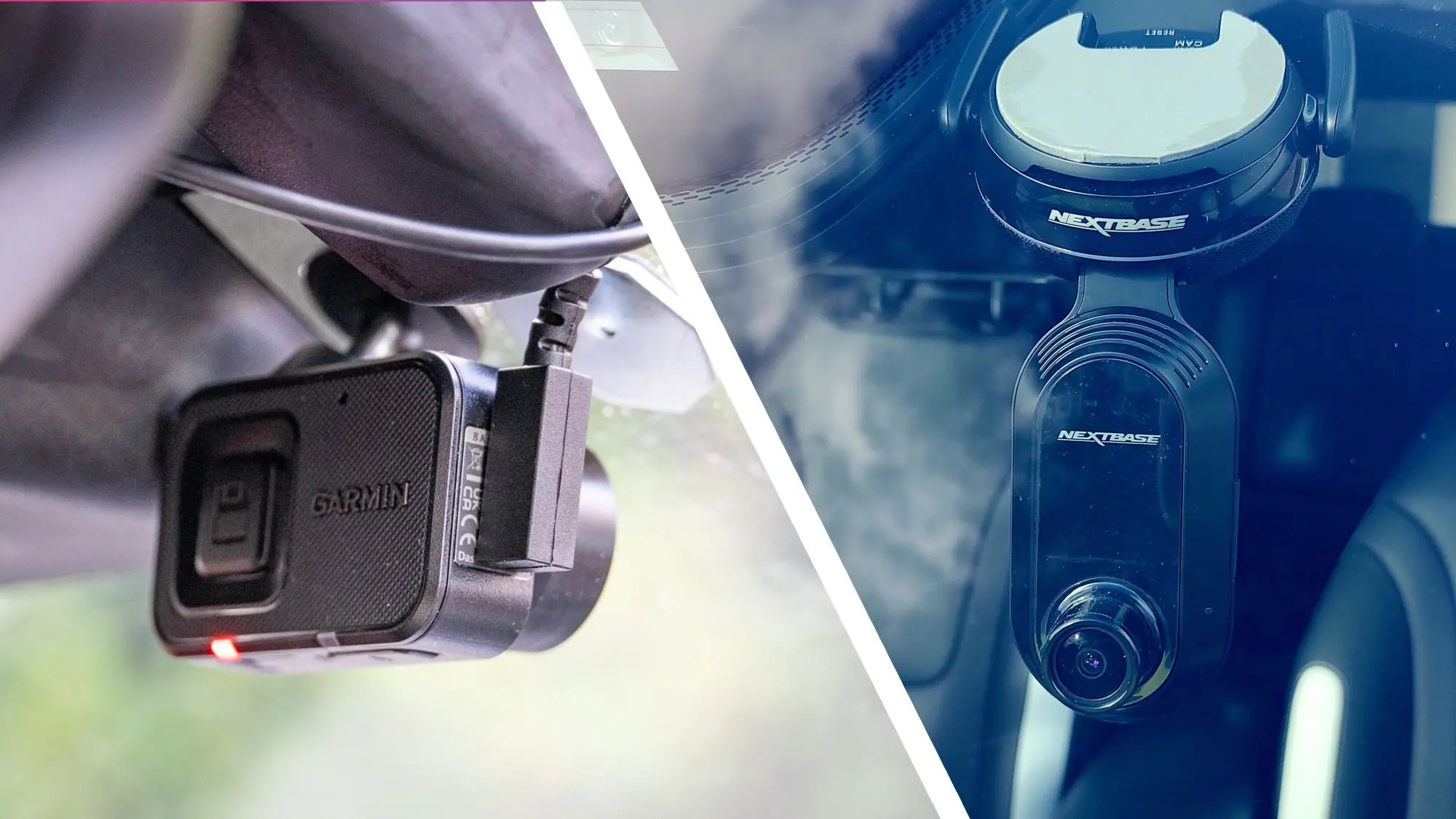
What Are Dash Cams?
Dash cameras, commonly known as dash cams, are compact video recording devices mounted on a vehicle's dashboard or windshield. They continuously record the road ahead (and sometimes the interior or rear) while you drive. The footage can be invaluable for insurance claims, legal disputes, or simply capturing memorable road trips. Over the past decade, dash cams have evolved from basic point-and-shoot devices to sophisticated units with GPS, Wi-Fi, parking mode, and ultra-high-definition recording.
Why You Need a Dash Cam
The primary reason to install a dash cam is protection. In the event of an accident, having clear video evidence can help establish fault and expedite insurance claims. Many insurance companies offer discounts to drivers who use dash cams. Additionally, dash cams can deter theft or vandalism when parked, especially models with motion detection and parking mode. They also serve as a tool to monitor young or new drivers and can capture unexpected roadside incidents or scenic drives.
Key Features to Consider
When shopping for a dash cam, several features matter most. Video resolution is critical – a minimum of 1080p Full HD is standard, but 4K is becoming increasingly popular for sharper detail. Wide viewing angles (typically 140 to 170 degrees) ensure coverage of multiple lanes. Night vision capability is essential for low-light conditions. GPS logging allows you to track your route and speed, while Wi-Fi or Bluetooth connectivity makes it easy to transfer clips to your smartphone. Parking mode, G-sensor for impact detection, and loop recording are also important. Some advanced models include driver assistance features like lane departure warnings and forward collision alerts.
Top Dash Cams Tested
Garmin Dash Cams
Garmin is a trusted name in navigation and now produces excellent dash cams. The Garmin Dash Cam 67W offers 1440p resolution, a 180-degree field of view, and voice control. It also includes Garmin's unique features like automated incident detection and traveler information. Build quality is superb, and the suction mount is reliable. The companion app for iOS and Android is intuitive, allowing easy video review and sharing. However, Garmin dash cams tend to be pricier than some competitors.
Nextbase Dash Cams
Nextbase is a UK-based brand that consistently scores high in our tests. The Nextbase 622GW is a premium model with 4K resolution, image stabilization, and “What3Words” location technology. It records in 4K at 30fps or 1080p at 60fps for smoother footage. The magnetic mount is convenient, and the rear camera add-on (sold separately) provides excellent coverage. The Nextbase app works well for viewing and downloading files. The 622GW also features emergency SOS functionality when paired with your phone.
70mai Dash Cams
70mai, a Xiaomi sub-brand, offers excellent value. The 70mai A800S is a 4K dash cam with a Sony IMX415 sensor, delivering sharp footage day and night. It includes a 1.44-inch display, optional rear camera, and parking mode. The ADAS (Advanced Driver-Assistance Systems) alerts are surprisingly accurate for the price. The 70mai app can be a bit clunky, but the video quality rivals far more expensive units. For budget-conscious buyers, the 70mai Pro (1080p) remains a solid choice.
Other Notable Brands
We also tested dash cams from Thinkware, Viofo, and BlackVue. Thinkware's U1000 offers 4K front and 2K rear recording, with a radar-based parking mode that avoids false triggers. Viofo's A129 Pro Duo is a favorite among enthusiasts for its raw video quality and low price, though it lacks some smart features. BlackVue’s DR900X series features cloud connectivity, allowing you to view live footage from anywhere – a premium option for the tech-savvy.
Installation and Setup Tips
Proper installation is key to getting the most from your dash cam. Most dash cams come with a suction cup or adhesive mount. Adhesive mounts are more permanent and less likely to fall off. For a clean look, route the power cable along the headliner, down the A-pillar, and into the fuse box – but ensure you do not interfere with airbags. Alternatively, many users simply plug into the cigarette lighter. Hardwiring a dash cam enables parking mode (continuous recording while the car is off). Many dash cams include a hardwire kit or offer it as an accessory. Professional installation is recommended if you’re not comfortable with vehicle electronics.
Legal Considerations
Before using a dash cam, check local laws. In most places, recording on public roads is legal as long as you do not obstruct your view. However, audio recording may require consent from passengers. Some jurisdictions have restrictions on windshield mounts – ensure your dash cam does not obscure your vision. Rear-facing cameras are usually legal, but rear window tint may affect visibility. Always ensure compliance with traffic regulations in your area.
Maintenance and Care
To keep your dash cam performing well, periodically format the SD card to prevent file corruption. Use a high-endurance card designed for continuous recording. Clean the lens gently with a microfiber cloth. Check that the mount remains tight. Update firmware when new versions are released, often adding features or improving stability. During hot summers, avoid leaving the dash cam exposed to direct sunlight for extended periods, as the battery may degrade or swell.
Future Trends
The dash cam market continues to innovate. We are seeing integration with AI for smarter event detection, cloud storage for automatic backups, and dual or triple channel systems covering front, rear, and interior. Some new models include a built-in battery instead of capacitors, enabling easier parking mode operation. As electric vehicles become more common, dash cam manufacturers are designing units that can tap into the vehicle's battery management system safely. The next five years will likely bring more seamless connectivity with smartphones and vehicles themselves.
Source:TechRadar News