

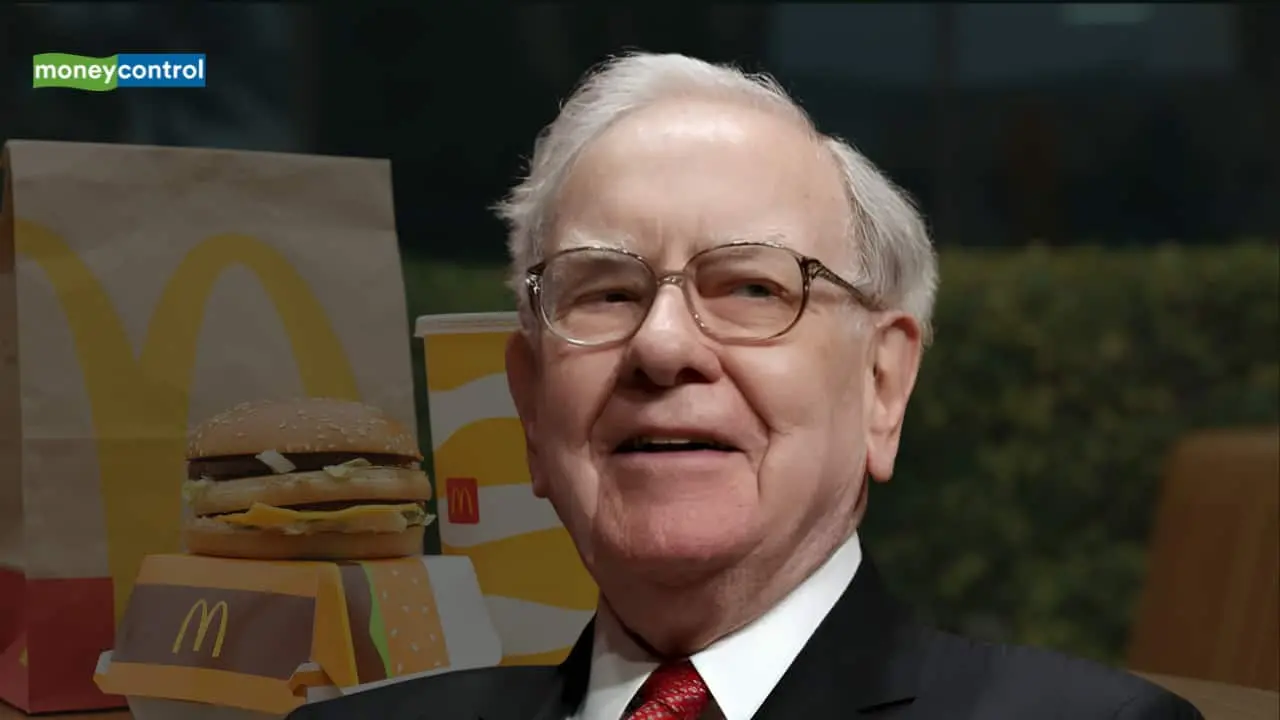
Warren Buffett’s Tree Quote and the Value of Patience
Warren Buffett’s famous line — “Someone is sitting in the shade today because someone planted a tree a long time ago” — has become a compact shorthand for patience, long-term thinking, and the hidden value of decisions made without an immediate payoff. The image is simple: a tree takes years to grow, and its shade is enjoyed by someone who may not have planted it. In the same way, many of the most meaningful results in life and investing emerge long after the initial effort. Buffett, one of the world’s most successful investors, has spent decades arguing that time is a critical ingredient in wealth creation. The quote encourages people to look past quick wins and consider what their choices could produce in the future.
What the Tree Analogy Means
The tree in Buffett’s quote represents an investment of time, effort, money, or care. Planting a tree requires patience because its benefits are not immediate. It needs years of growth before it can offer shade. The person who planted it may never sit under it, but someone else will. That is the essence of long-term thinking: acting today for a reward that may arrive later, often for someone else. In financial terms, the tree can symbolise a savings account, a stock portfolio, a business, or an education. Each requires an initial commitment, a period of waiting, and the discipline to avoid chasing short-term gratification. The analogy also suggests that progress is often invisible at first. A young tree looks fragile and unremarkable, but given time, it can become strong and useful. Similarly, small, consistent investments can grow into substantial assets.
Why Patience Matters in Investing
Buffett’s investment philosophy has long emphasised patience over speculation. He has repeatedly warned against being swayed by daily market fluctuations or the temptation to chase hot trends. Instead, he looks for businesses with durable competitive advantages, capable management, and reasonable prices. Once he invests, he is often willing to hold for years or even decades. That approach allows compounding to work. Compounding is the process by which returns generate their own returns. Over a long period, it can turn modest annual gains into significant wealth. But compounding needs time. An investor who sells too early, or who panics during a downturn, may interrupt the process. Buffett’s tree quote captures this reality: the shade is not available immediately, but it becomes more valuable with every passing year. Patience, however, is not the same as doing nothing. It involves research, judgment, and the willingness to wait for the right opportunity.
Buffett’s Long-Term Approach at Berkshire Hathaway
Buffett took control of Berkshire Hathaway in 1965, when it was a struggling textile manufacturer. Over time, he transformed it into a major investment holding company with interests in insurance, railroads, energy, manufacturing, retail, and other sectors. The transformation did not happen overnight. It was the result of decades of careful decisions, acquisitions, and investments. Berkshire Hathaway’s success became a case study in the power of long-term capital allocation. Buffett’s annual letters to shareholders often stress the importance of thinking like an owner, focusing on intrinsic value, and ignoring short-term noise. He has also acknowledged that mistakes happen and that not every investment works out. Patience alone does not guarantee returns. Outcomes depend on the assets chosen, their performance, and broader economic conditions. Yet the overall record shows how a long horizon can smooth out short-term volatility and allow good decisions to compound.
The Origin of the Quote and Similar Wisdom
The statement has been documented in a biography of Buffett and is reported to date to January 1991. Its exact wording may vary, but the meaning remains consistent. A similar idea appears in an ancient Greek proverb: “A society grows great when old men plant trees in whose shade they shall never sit.” Both expressions emphasise intergenerational responsibility. They suggest that progress depends on people being willing to invest in outcomes that extend beyond their own immediate needs. The Greek proverb broadens the lesson from personal finance to society. It implies that a community, institution, or nation becomes stronger when its members contribute to projects they may not personally enjoy. Buffett’s version places the same idea in an investment context, but the ethical and practical dimensions overlap. Whether planting a literal tree or funding a school, the principle is the same: the benefits may be delayed, and the beneficiary may be someone else.
Applying the Tree Principle Beyond Finance
The quote is not only about money. It applies to career building, education, relationships, health, and creative work. Learning a skill takes time before it produces expertise or income. Building a career often requires years of practice, networking, and incremental progress. Investing in education can lead to opportunities that were not visible at the start. Nurturing a relationship requires consistent effort long before trust and mutual support appear. Even personal health habits, such as exercise and nutrition, pay off gradually. In each case, the early work can feel unrewarding. The tree is still a seedling. But if the effort is sustained, the shade will eventually appear. Buffett’s words encourage people to ask what they are planting today that could benefit them or others tomorrow. That question can change how individuals allocate their time, energy, and resources.
Compounding: The Quiet Force Behind Long-Term Results
Compounding is often described as the eighth wonder of the world, though the exact attribution is uncertain. The concept is straightforward: when returns are reinvested, they begin to earn returns themselves. Over a long period, the effect can be dramatic. For example, a modest sum invested at a reasonable rate of return can grow into a much larger sum after several decades. The early years may show little visible progress. The curve of growth is slow at first and then accelerates. This is why Buffett has often said that his wealth came from a combination of good investments and time. He started investing as a child and continued for decades. The tree analogy fits because a tree grows slowly at first, then adds rings and branches year after year. The same is true for knowledge, reputation, and relationships. Small consistent actions can produce outsized results when given enough time.
Philanthropy and Leaving Shade for Future Generations
Buffett’s commitment to long-term thinking extends to philanthropy. He has pledged to give away more than 99% of his wealth and has donated billions of dollars to charitable causes. In 2010, he joined Bill Gates and Melinda French Gates in launching the Giving Pledge, an initiative that encourages wealthy individuals to commit to donating a substantial portion of their fortunes. These commitments reflect the broader idea behind the tree analogy. Resources accumulated over a lifetime can be used to create opportunities and improve lives well into the future. The shade is not for the planter alone. It is for the community, for research, for education, and for generations yet to come. Buffett’s philanthropic approach also emphasises effectiveness and long-term impact. He has often said that he wants his money to be used where it can do the most good. That requires patient evaluation, not rushed giving.
How to Think Like a Long-Term Investor
Thinking like a long-term investor involves several habits. First, define clear goals. Are you investing for retirement, education, a business, or a legacy? Second, focus on value rather than price alone. A cheap asset can be a poor investment if its underlying business is weak. Third, diversify where appropriate to manage risk. Fourth, avoid emotional decisions based on fear or greed. Fifth, give your investments time to work. Sixth, keep learning. Markets change, industries evolve, and new information emerges. Buffett has often credited much of his success to continuous reading and curiosity. Finally, remember that patience is not blind faith. It should be paired with periodic review. If the original reasons for an investment no longer hold, it may be wise to reconsider. The tree analogy is not an argument for neglect. It is an argument for giving sound decisions enough time to bear fruit.
Patience Does Not Mean Passivity
One common misunderstanding is that patience means waiting indefinitely without action. In Buffett’s framework, patience is active. It means preparing, studying, and positioning oneself to act when opportunity appears. He has described investing as waiting for a fat pitch. A baseball batter who swings at every pitch is less likely to succeed than one who waits for a good one. But the batter must still be ready. Similarly, a long-term investor must keep cash reserves, monitor businesses, and understand valuations. The tree planter must water the seedling, protect it from damage, and ensure the soil is suitable. Patience without effort is just delay. Patience with effort is a strategy. That distinction is important because the quote can easily be romanticised. The shade exists because someone planted, tended, and waited. The full lesson includes all three actions.
The Life Lesson Behind the Quote
The quote is a reminder that not every worthwhile effort produces an immediate reward. Learning a skill, building financial security, developing trust, or supporting someone else’s growth can require years of consistent work before the results become apparent. It also encourages people to consider what they are building for the future. A decision that seems small today may eventually benefit not only the person making it but also their family, community, or the generations that follow. Like a tree planted long before its shade is needed, meaningful progress begins with the willingness to invest in something whose full value may take time to emerge. The image endures because it captures a truth that applies to money, work, relationships, and society: the best time to plant a tree was decades ago, and the second-best time is now.
Source:Moneycontrol News