

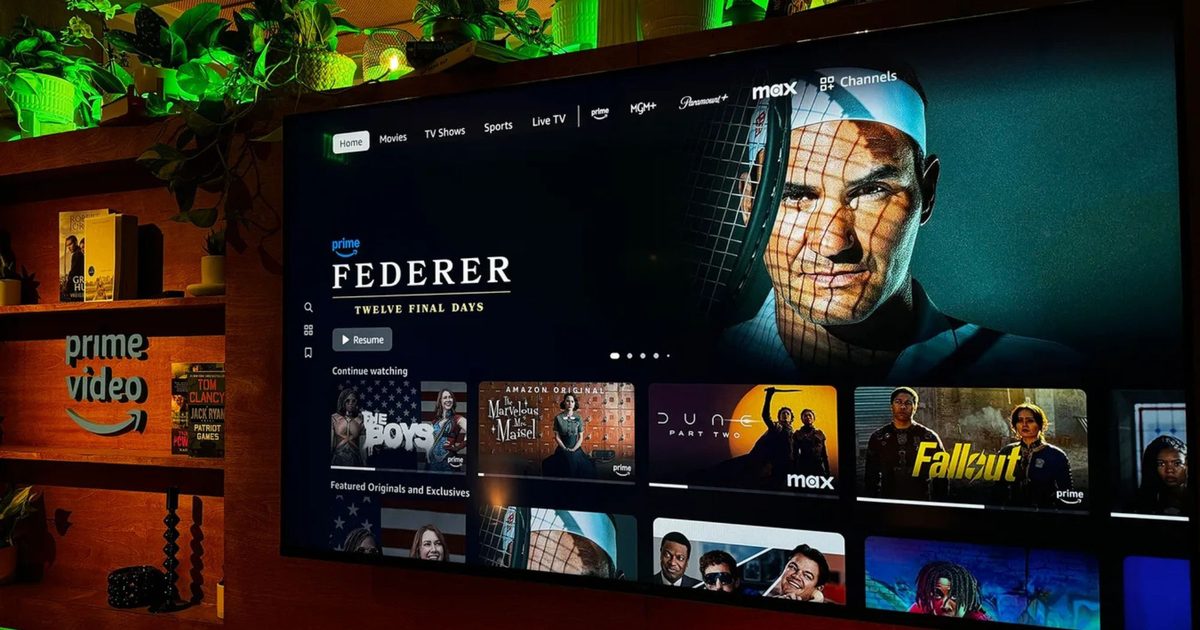
Prime Video's home screen has looked the same for years, with rows of tiles that rarely match what viewers actually want to watch. Amazon is betting that artificial intelligence can change that, and Jeff Bezos is personally driving the effort. According to Reuters, Bezos directed Prime Video head Mike Hopkins to overhaul the streaming service so that AI sits front and center. The project, internally codenamed Lighthouse, is already reshaping how the app might function, signaling a major strategic pivot for Amazon's video business.
What is changing on Prime Video?
The redesign would rebuild the home page around AI-generated recommendations instead of the fixed grid every subscriber currently sees. One version that Prime Video executives discussed includes tiles built around prompts like "action movies from the 1980s" or "Christmas rom-coms," shaped by each user's viewing habits. This shift aims to transform the browsing experience from a static catalog to a dynamic, conversational interface. Amazon is also weighing whether to fold its Alexa voice assistant into search, allowing viewers to simply say what they are in the mood for instead of typing it out. Traditional search will not disappear, and the top of the screen will still highlight major events like Thursday Night Football, the NFL game exclusive to Amazon.
What is driving Bezos's sudden push for AI?
The Lighthouse project did not start as a routine product update. Reuters reports that it grew out of a tense meeting last fall, where Bezos told Prime Video executives that their original plans did not lean hard enough into AI and personalization. The team scrapped that version entirely and rebuilt it from scratch under global design lead Kam Keshmiri. Bezos has stayed personally involved ever since, which is notable given how far he has stepped back from daily Amazon operations since 2021. This hands-on approach underscores the critical importance of Prime Video to Amazon's broader ecosystem.
There is also a much larger story behind the redesign. Amazon has committed close to $200 billion in capital spending this year, largely tied to AI, on top of an initial $23 billion investment split between OpenAI and Anthropic. Lighthouse is one piece of Amazon's plans to strengthen its AI reputation while rivals keep moving quickly. Currently, Prime Video holds just 4.2% of US television viewing, falling behind YouTube, Netflix, and Disney+, which gives Amazon plenty of reason to get this right. However, Amazon's other major AI project — an overhauled version of Alexa — has delivered mixed results so far, and the unit is reportedly still losing money. This context adds pressure on the Prime Video team to succeed where Alexa has struggled.
Does having more AI actually benefit viewers?
Prime Video, like most popular streaming platforms, lets studios pay for prime placement on the home screen. If personalized rankings start replacing some of that paid real estate, what viewers see first could depend more on their preferred shows instead of who paid the most. That would mark a real shift toward more honest recommendations, which is good for viewers. However, skepticism remains. Netflix has already thrown similar AI fixes at the scrolling fatigue problem, and many viewers still complain of not finding anything bingeworthy to watch on the platform. It is also unclear if Prime Video's redesigned AI-first approach would make the paid placement disappear entirely or simply relocate it into the algorithm itself, which would not be much of a win for viewers.
For now, Amazon is testing early versions with a small group of users, and feedback could still reshape the final layout. Whether Lighthouse actually eases scrolling fatigue, or just dresses it up differently, is something viewers will only know once it lands on their screens. The broader implications for the streaming industry are significant: if Amazon's AI-driven approach succeeds, it could force competitors like Netflix, Disney+, and HBO Max to rethink their own recommendation strategies. The personalization arms race is heating up, and Amazon is betting that Lighthouse will be its differentiator.
The origins of AI in streaming trace back to basic collaborative filtering on early DVD-by-mail services, but modern deep learning models now analyze entire viewing histories, pauses, rewinds, and even emotional responses inferred from viewing patterns. Prime Video's data advantage — with access to Amazon's vast e-commerce data, Whole Foods purchases, and Alexa interactions — gives it a unique edge in understanding user preferences. However, privacy concerns loom large. Viewers may not be comfortable with their TV habits being cross-referenced with their shopping lists. Amazon has not clarified how data from different services will be combined, but the company's track record in data collection suggests that integration is likely.
Another layer to consider is the financial incentive. Prime Video is not just a standalone service; it is a key component of Amazon Prime, which had over 200 million members as of early 2024. Improving the video experience could reduce churn for the entire Prime ecosystem. The $200 billion capital spending commitment indicates that Amazon is willing to invest heavily to ensure Prime Video becomes a top-tier platform. By comparison, Netflix spent about $17 billion on content in 2023, while Amazon spent roughly $7 billion on Prime Video content alone (excluding freebies from other services). The AI upgrade could help Amazon squeeze more value out of its content library, particularly as it faces rising content costs and increased competition from ad-supported tiers.
The user interface also has to handle the complex mix of included Prime content, free ad-supported titles, rentals, and purchases from third-party channels. Currently, the home screen can feel cluttered and confusing. AI could simplify this by learning which content types each user prefers and adjusting the layout accordingly. For instance, a family with young children might see more animated movies and educational shows, while a sports fan might see live events and documentaries. The voice search feature, powered by Alexa, could further streamline navigation, especially on devices like Fire TV where typing is cumbersome. However, Alexa's current performance in voice understanding — especially with niche titles or accents — remains a hurdle.
Competitors are watching closely. YouTube already uses deep learning for recommendations that drive over 70% of watch time. Netflix employs a sophisticated multi-armed bandit algorithm to personalize artwork and rankings. Disney+ has recently introduced personalized rows for different user profiles. Amazon's Lighthouse aims to surpass these efforts by integrating predictive analytics that anticipate what viewers want before they even search. The code name itself suggests a guiding light for discovery. If successful, it could set a new standard for streaming personalization, but if it fails, it will join Alexa's mixed legacy as another overhyped AI project that fell short of expectations.
Source:Digital Trends News